Essential Music Equipment for Aspiring Guitarists
- Tom Miles
- May 12
- 4 min read

Every aspiring guitarist knows that the right equipment can make a significant difference in their musical journey. Whether you're just starting or looking to upgrade your gear, understanding what you need is crucial. This guide will walk you through the essential music equipment every guitarist should consider, ensuring you have the tools to express your creativity and improve your skills.

Choosing the Right Guitar
Acoustic vs. Electric
The first decision every guitarist faces is whether to choose an acoustic or electric guitar. Each type has its unique characteristics and advantages:
Acoustic Guitars:
- Great for beginners due to their simplicity.
- No need for additional equipment like amplifiers.
- Ideal for folk, country, and singer-songwriter styles.
Electric Guitars:
- Offers a wider range of sounds and effects.
- Requires an amplifier and possibly additional gear.
- Perfect for rock, blues, and jazz genres.
Size and Comfort
When selecting a guitar, consider the size and weight. A guitar that feels comfortable will encourage you to practice more. Here are a few tips:
Body Size: Smaller bodies are easier to handle, especially for younger players.
Neck Width: A wider neck can be challenging for beginners, while a narrower neck may be more comfortable.
Budget Considerations
Guitars come in various price ranges. As a beginner, you don’t need to invest in a high-end model right away. Look for reputable brands that offer quality instruments at affordable prices. Brands like Yamaha, Fender, and Epiphone have excellent entry-level options.
Amplifiers: The Heart of Electric Guitar Sound
If you choose an electric guitar, an amplifier is essential. The right amp can significantly enhance your sound. Here are some key points to consider:
Types of Amplifiers
Combo Amps: These combine the amplifier and speaker in one unit, making them portable and easy to use. Great for practice and small gigs.
Head and Cabinet: This setup separates the amplifier head from the speaker cabinet, allowing for more customization of sound.
Features to Look For
Wattage: Higher wattage means louder sound. For practice, 15-30 watts is usually sufficient.
Effects: Some amps come with built-in effects like reverb and distortion, which can be beneficial for experimenting with different sounds.
Essential Accessories for Guitarists
Guitar Picks
Picks come in various shapes, sizes, and materials. Experiment with different types to find what feels best for you. Thicker picks provide more control, while thinner picks can produce a brighter sound.
Guitar Strings
Choosing the right strings is crucial for achieving your desired tone. Here are some tips:
Material: Common materials include nickel, stainless steel, and bronze. Each offers a different sound quality.
Gauge: Lighter gauge strings are easier to play but may produce a thinner sound. Heavier gauge strings offer a fuller tone but require more finger strength.
Capos and Tuners
Capos: These devices clamp down on the guitar neck, allowing you to change the key of your music easily. They are especially useful for playing along with other musicians.
Tuners: Keeping your guitar in tune is essential. Clip-on tuners are convenient and easy to use, ensuring you always sound your best.
Effects Pedals: Expanding Your Sound
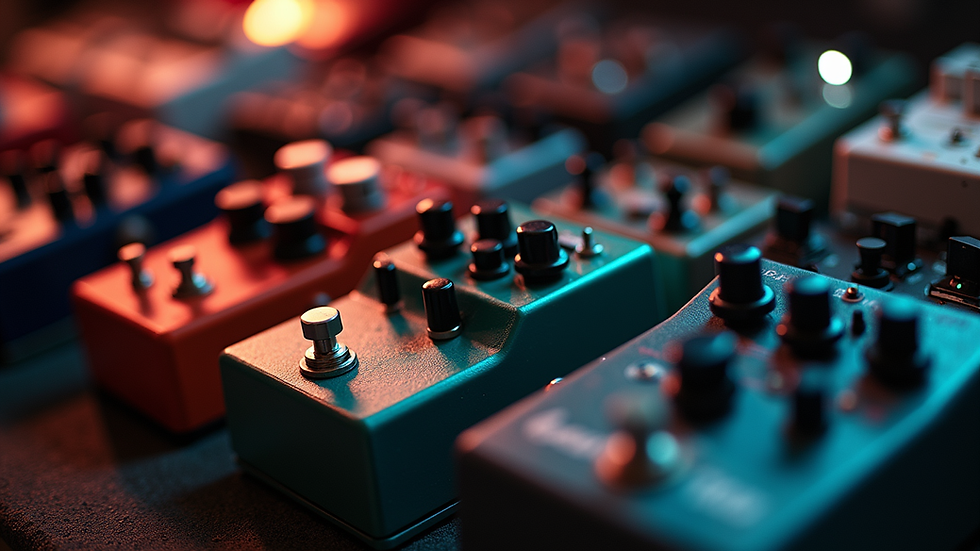
Effects pedals can transform your guitar's sound, allowing you to explore different genres and styles. Here are some popular types:
Distortion and Overdrive
These pedals add grit and sustain to your sound, making them popular for rock and blues music. They can help you achieve that signature "crunch" sound.
Delay and Reverb
Delay pedals create echoes of your notes, while reverb adds depth and space to your sound. Both effects can enhance your playing and make your music more dynamic.
Multi-Effects Units
For those who want a variety of sounds without buying multiple pedals, multi-effects units combine several effects into one device. They are great for experimenting with different tones.
Learning Tools: Resources for Improvement
Online Lessons and Tutorials
With the rise of technology, learning guitar has never been easier. Numerous online platforms offer lessons for all skill levels. Websites like JustinGuitar and Guitar Tricks provide structured courses that can help you progress quickly.
Songbooks and Sheet Music
Learning your favorite songs is a great way to practice. Invest in songbooks or find sheet music online to expand your repertoire. Playing songs you love keeps you motivated and engaged.
Metronomes and Backing Tracks
A metronome helps you develop your timing and rhythm. Backing tracks can simulate playing with a band, providing a fun way to practice your skills.
Building a Practice Routine
Set Goals
Establish clear, achievable goals for your practice sessions. Whether it's mastering a specific song or improving your technique, having goals will keep you focused.
Consistency is Key
Regular practice is essential for improvement. Aim for short, daily sessions rather than infrequent, long practices. Even 15-30 minutes a day can lead to significant progress over time.
Mix It Up
To keep your practice sessions interesting, mix different activities. Spend time on scales, chords, and songs. Incorporate improvisation and ear training to enhance your overall musicianship.
Conclusion
Investing in the right music equipment is crucial for any aspiring guitarist. From selecting the perfect guitar to exploring effects pedals and building a solid practice routine, each element plays a role in your musical journey. Remember, the most important part is to enjoy the process and express yourself through music. So, gather your gear, set your goals, and start playing!

Comments